
Are You a Plotter or a Pantser?
How Your Approach to Projects Can Help You Find Your Writing Style as a New Author

One of the first questions almost every new writer asks is whether they should outline their novel before they begin writing. It’s a question I wrestled with myself.
But over the years, I’ve come to believe we’re asking the wrong question.
Instead of asking, “Should I be a plotter or a pantser?” ask yourself something much simpler.
How do I naturally approach projects?
For years I’ve compared writing a book to building a house because, in so many ways, they’re remarkably similar. Neither happens overnight. Both require hundreds of decisions. Both demand patience, persistence, problem-solving, and a willingness to learn skills you’ve never needed before.
But there’s another similarity that doesn’t get talked about nearly enough.
People naturally build differently.
Some builders wouldn’t dream of breaking ground without complete blueprints, engineering drawings, permits, material lists, and every detail carefully planned. Others stand on an empty piece of land, look across the pasture and say, “I can already see the house.” Believe it or not, both approaches can produce beautiful homes.
Writing is no different.
In the writing world, we usually talk about two approaches: plotters and pantsers. A plotter likes to know where the story is headed before writing Chapter One. They understand the major turning points, know their characters well, and often have a pretty good idea how the novel is going to end.
A pantser—short for writing by the seat of your pants—starts with an idea, a character, or maybe just a single scene. They discover the story as they write it.
Neither approach is better. They’re simply different ways of solving the same problem.
And if I’m being honest, I don’t think most experienced writers stay at either end forever. I think many of us eventually become hybrids. We build enough structure to keep the story standing, but we leave enough room for creativity to surprise us along the way.
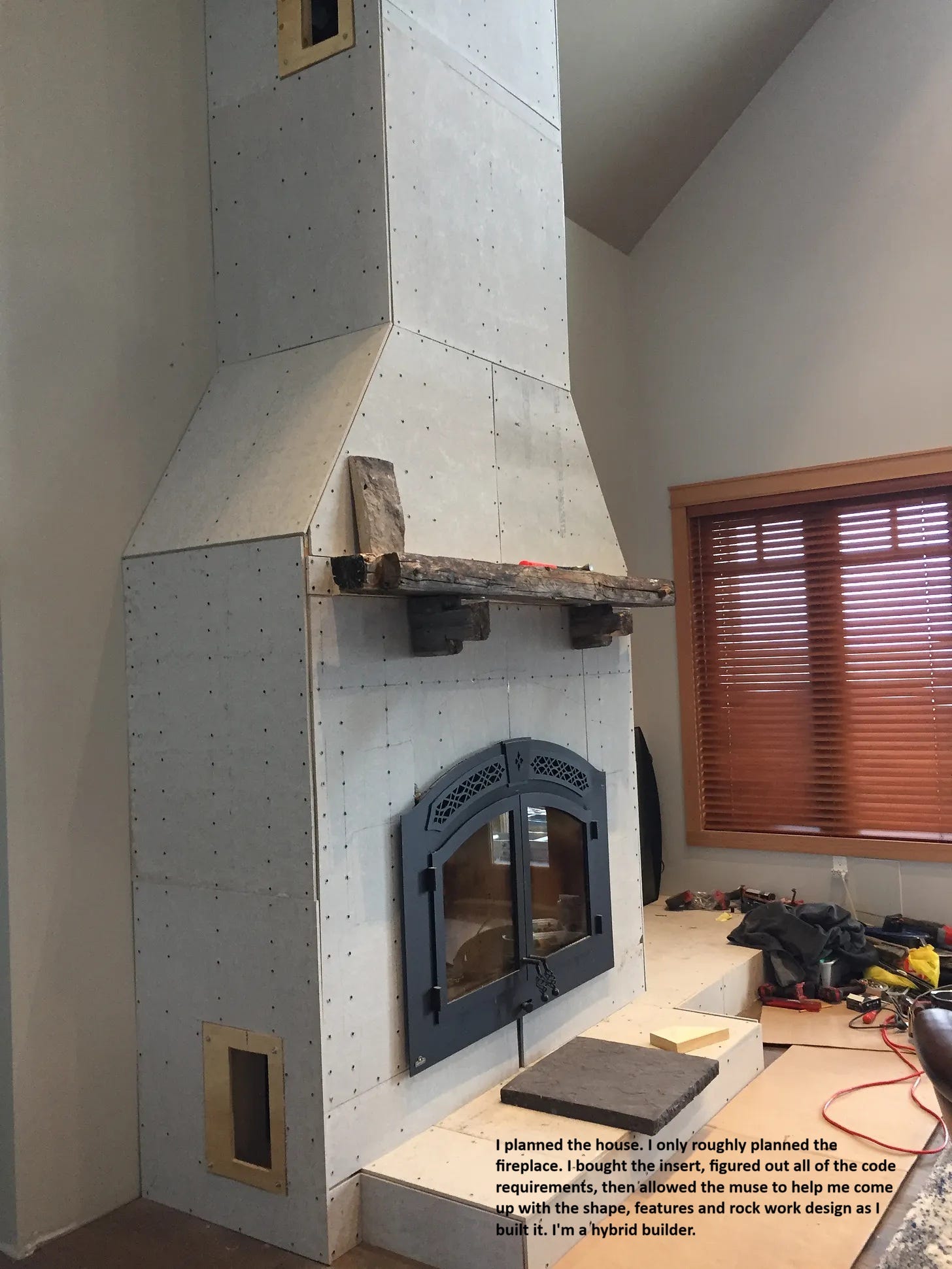
Before you decide which writing style sounds most appealing, think about how you already approach projects in your everyday life.
Are you the type of person who researches everything before you begin? Do you spend hours looking at finished projects online, asking family and friends for ideas, gathering materials, organizing your tools and planning every step before you ever pick up a hammer?
If so, there’s a good chance you’re naturally wired to be a plotter.
Or are you someone who gets excited by the idea itself? You have a vision, gather the basics and jump in. When obstacles appear, you enjoy figuring them out. You’d rather adapt as you go than spend weeks planning every detail.
If that’s you, you’re probably a pantser.
Neither personality is right or wrong. It’s simply how your mind likes to solve problems.
It took me years to realize I wasn’t really a plotter or a pantser.
I was somewhere in the middle.
Ironically, I discovered that through two completely different projects.
The first was writing my novel.
One afternoon in 2005, the idea for Court of Equalization arrived almost all at once. Looking back, I’d say I received about sixty percent of the novel in a single burst of inspiration. It wasn’t an outline. It wasn’t a finished manuscript. It felt more like someone had handed me the framework of a story and invited me to finish building it.
Being the planner that I am, I immediately started developing character histories, motivations, timelines and story structure. I honestly thought I had everything figured out.
Boy, was I wrong.
Thankfully, I listened to my muse instead of my outline. As I wrote, the characters surprised me. New relationships appeared. Plot twists emerged that I’d never considered. Entire scenes unfolded that weren’t part of my original vision.
Some of my favourite moments in the novel didn’t even exist when I wrote Chapter One.
Looking back, I’m grateful they didn’t.
Years later, I unknowingly used that exact same philosophy when I built our house.
I’d spent years renovating houses, building decks, putting up fences and tackling projects around our property. I knew how to use the tools. What I didn’t know was how to build an entire house from scratch.
I knew enough to recognize what I didn’t know, but I also had a vision. I knew roughly how many square feet I wanted, how many bedrooms, the size of the garage and where I wanted the house to sit on our five acres outside Barrhead, Alberta.
After months of searching, I finally found a set of plans online that felt right. I purchased the blueprints, worked with our local Co-op to customize the floor plan and ordered the materials.
The foundation and framing were never going to be do-it-yourself projects. Those were the structural pieces of the house, and if they weren’t done properly, every mistake would echo through the rest of the build. I hired trusted local contractors to look after this for us.
Once the shell was standing, though, something interesting happened.
The plans slowly stopped being a set of instructions and started becoming a guide.
Now creativity took over.
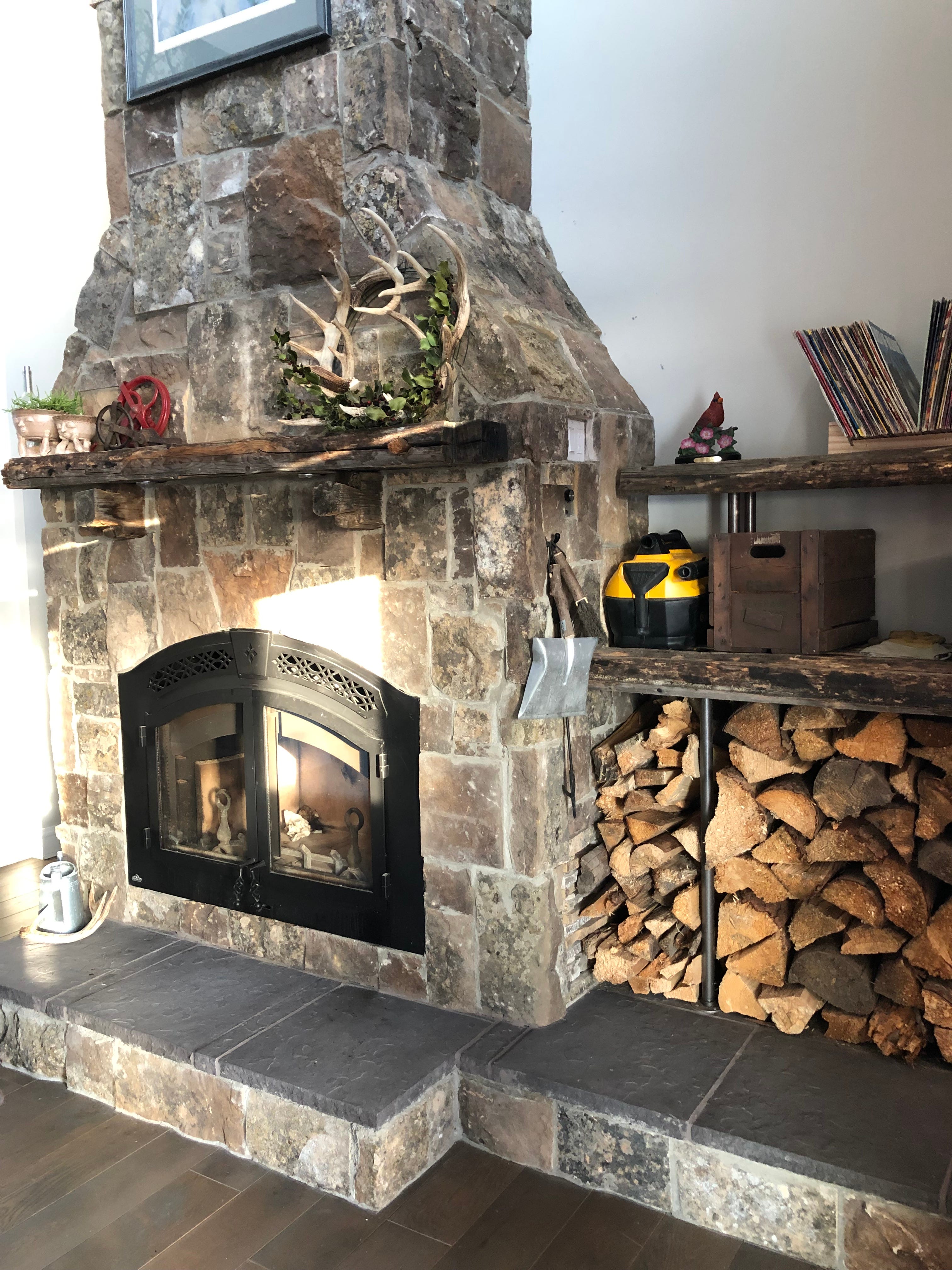
A bedroom closet disappeared and became part of my office. The fireplace was inspired by a trip through Montana. The deck railing wasn’t something I’d carefully designed months in advance—it slowly evolved while I was building it. Flooring changed. Cabinet ideas changed. Little by little, the house became ours
.
Some decisions happened because we’d planned them months earlier. Others happened because we stood in a room one evening and said, “You know... I think there’s a better way to do this.”
I leaned heavily on people who knew more than I did. My son helped with the electrical work. My daughter’s boyfriend, who was a plumber, shared his expertise. Contractor friends answered countless questions.
And YouTube... well... YouTube probably deserves partial credit for helping us finish the project.
Looking back now, I think that’s why building the house felt so familiar.
It wasn’t because I’d built a house before.
It was because, without even realizing it, I was approaching it exactly the way I write.
I started with a solid foundation, but I gave myself permission to enjoy the creative side of the project. Some of my favourite parts of the house were never on the original blueprints. If you’d asked me before we started whether any of those things were part of the plan, I would have said no.
If you asked me today whether I’d change them, I’d say absolutely not.
Somewhere along the way, it hit me.
That’s exactly how I’d written my novel.
I started with a story I believed in. I spent a lot of time thinking about my characters, their motivations and where I thought the story was headed. But some of the scenes I’m most proud of today weren’t sitting in my notebook back in 2005. They appeared because I was willing to follow an interesting conversation or explore an unexpected idea.
Maybe that’s why I don’t spend much time worrying about whether I’m a plotter or a pantser anymore. Those labels are helpful when you’re starting out because they remind us there isn’t just one way to write a book.
But after you’ve written for a while, I think most of us naturally borrow from both approaches. We need enough structure that the story doesn’t collapse under its own weight, but we also need enough freedom to discover ideas that never would have appeared if we’d tried to control every chapter before we started.
To me, that’s where the fun is.
If you’re just beginning your writing journey, don’t feel like you have to pick a philosophy and defend it for the rest of your life. Your process is going to evolve. Mine certainly has.
Every manuscript teaches us something—not just about storytelling, but about ourselves. We become a little more confident, a little more trusting of our instincts and a little more willing to experiment.
When I started writing, I thought I needed to figure everything out before I began.
Now I know better.
I need to know enough to get started.
The rest, I discover along the journey.
And maybe that’s really what Destination Write has always been about. Not telling writers there’s one correct way to build a book but helping them discover the process that keeps them writing, keeps them learning and, most importantly, keeps them finishing.
Because when someone closes your novel after reading the final page, they’re never going to wonder whether Chapter Fifteen came from an outline or whether you invented it over a cup of coffee on a Tuesday afternoon.
They’re only going to remember one thing.
Did they enjoy the journey?
I’d love to hear from you.
When you think about the projects you’ve tackled throughout your life—not just writing—where do you naturally fit?
Are you a plotter?
A pantser?
Or, like me, have you discovered that you’re somewhere in the middle?
Destination Write // Build your Style. Build the Book.
I’m a pantser! Through and through. I have a vague idea of what the story is about, but I have no idea how it’s going to unfold.
When I wrote my first novel, I started with a detailed outline. By chapter 3, the outline got tossed and I let the characters surprise me. And I had so much fun with it.
This doesn’t work for non-fiction, though. When I write non-fiction, I need a plan.